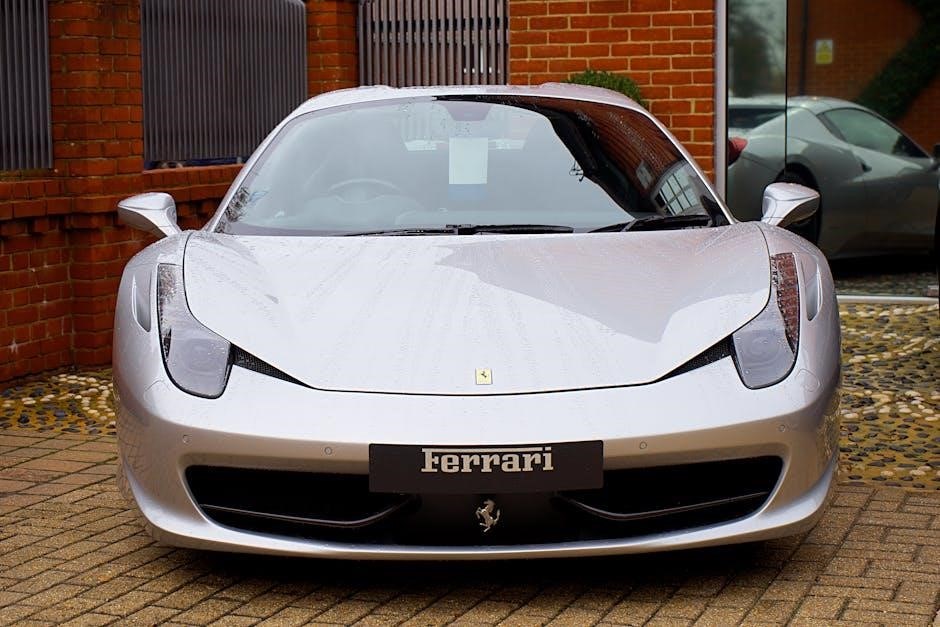
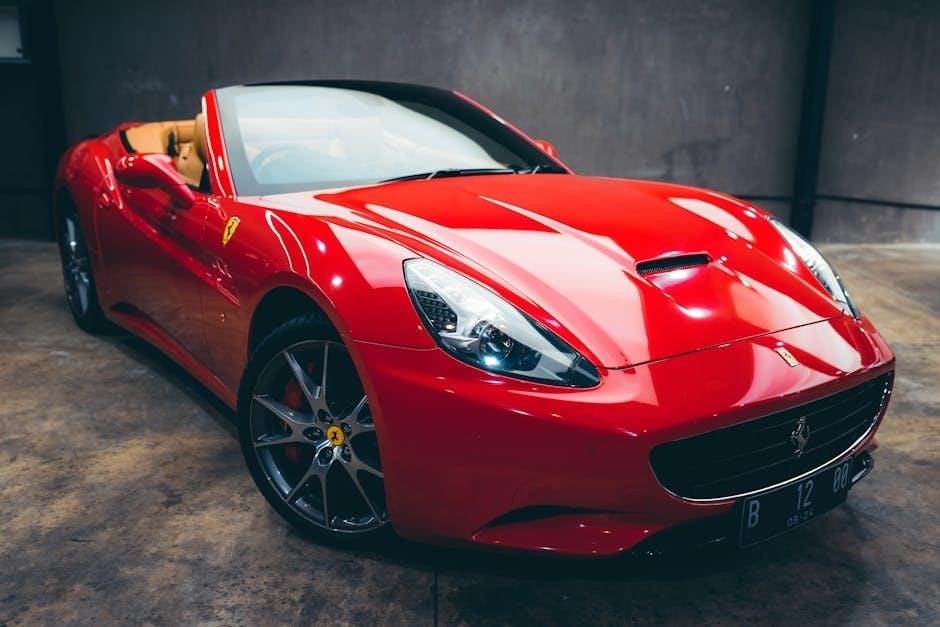
The Ferrari California, particularly the 2012 model, offered a unique blend of open-top motoring and a traditional, albeit somewhat debated, manual transmission option․
Enthusiasts often champion the manual California as the purest driving experience within the model range, aligning with the roadster’s spirit and character․
The California’s Place in Ferrari History
The Ferrari California, launched in 2008, represented a pivotal shift for the marque, aiming to broaden its appeal with a more accessible, front-engined grand tourer․ It wasn’t intended to replace the established core models, but rather to attract new clientele․ Initially offered exclusively with a dual-clutch transmission (DCT), the introduction of the six-speed manual in 2012 was a response to persistent demand from purists․
This decision acknowledged the enduring desire for driver engagement and a more traditional Ferrari experience․ While not the first Ferrari to offer a manual – that honor belongs to earlier models – the California’s manual option was significant as a modern interpretation, bridging the gap between heritage and contemporary technology․ It stands as a unique chapter in Ferrari’s history, catering to a specific niche within its diverse fanbase․
Why a Manual California is Desirable
The appeal of a manual Ferrari California stems from a desire for a more connected and immersive driving experience․ Many enthusiasts believe a manual gearbox elevates the roadster’s character, perfectly suiting its open-top nature․ Unlike other Ferrari models where a manual might feel incongruous, the California’s grand touring focus lends itself well to the added driver involvement;
The tactile feedback and control offered by a manual transmission provide a sense of occasion often missing in modern, automated systems․ It’s a purist’s choice, prioritizing engagement over outright speed․ This desirability translates into increasing collectibility, as the manual California represents a relatively rare and increasingly sought-after variant within the model line-up, offering a unique driving proposition․
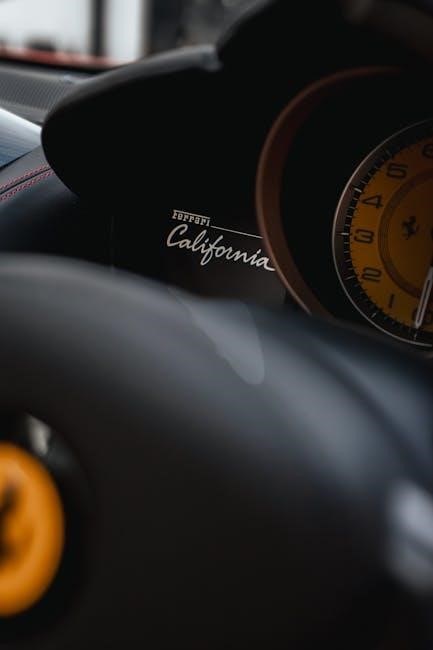
The California’s Transmission Options: A Detailed Look
The Ferrari California initially launched with a dual-clutch transmission, but a 6-speed manual was later introduced in 2012, offering drivers a choice․
Initial Dual-Clutch Transmission (DCT) ─ 2008-2014
Upon its 2008 debut, the Ferrari California exclusively featured a Getrag-sourced dual-clutch transmission (DCT)․ This seven-speed unit prioritized rapid, seamless gear changes, enhancing both on-road performance and the overall driving experience․ The DCT operated with two separate clutches, pre-selecting the next gear for near-instantaneous shifts – a hallmark of modern Ferrari technology․
This system allowed for both fully automatic operation and manual control via steering wheel-mounted paddle shifters․ While incredibly efficient, some purists felt the DCT lacked the direct engagement offered by a traditional manual gearbox․ Despite this, the DCT proved popular, delivering a sophisticated and responsive driving experience suited to the California’s grand touring nature throughout the majority of its production run․
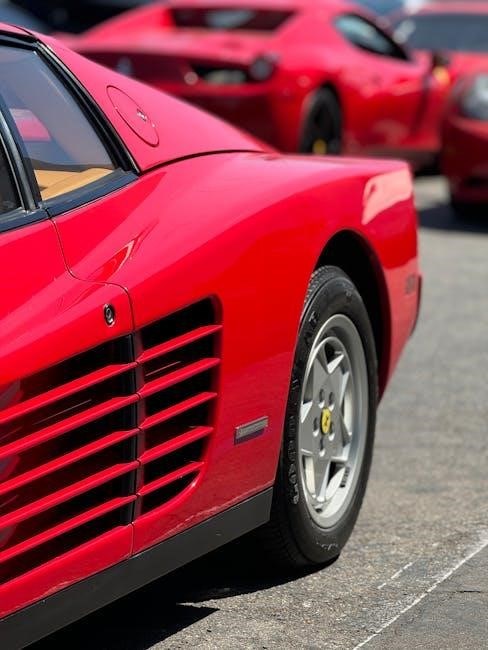
Responding to enthusiast demand, Ferrari introduced a six-speed manual transmission option for the California in 2012․ This wasn’t a conventional manual, however․ It retained a clutch pedal, satisfying those seeking a more involved driving experience, but was coupled with the existing dual-clutch architecture․ Essentially, it simulated a manual gearbox within the DCT framework․
This unique setup allowed drivers to shift gears using the clutch and gear lever, offering a greater sense of control․ While not a fully traditional manual, it provided a compelling alternative to the standard DCT․ The availability of the manual option catered to a specific segment of the Ferrari clientele who valued driver engagement above all else, adding to the California’s appeal․
Differences Between DCT and Manual Versions
The “manual” California differs significantly from a traditional manual transmission car․ While it features a clutch pedal and gear lever for driver input, it operates within the dual-clutch transmission system․ The DCT versions offer lightning-fast shifts and automated modes, prioritizing speed and efficiency․ Conversely, the manual variant prioritizes driver involvement and a more tactile connection to the car․
Performance metrics show slight differences, with the DCT generally achieving quicker acceleration times․ However, the manual version provides a unique driving sensation․ The feel and engagement are distinct, appealing to drivers who prefer a more analog experience․ Ultimately, the choice hinges on individual preference – speed versus driver control․
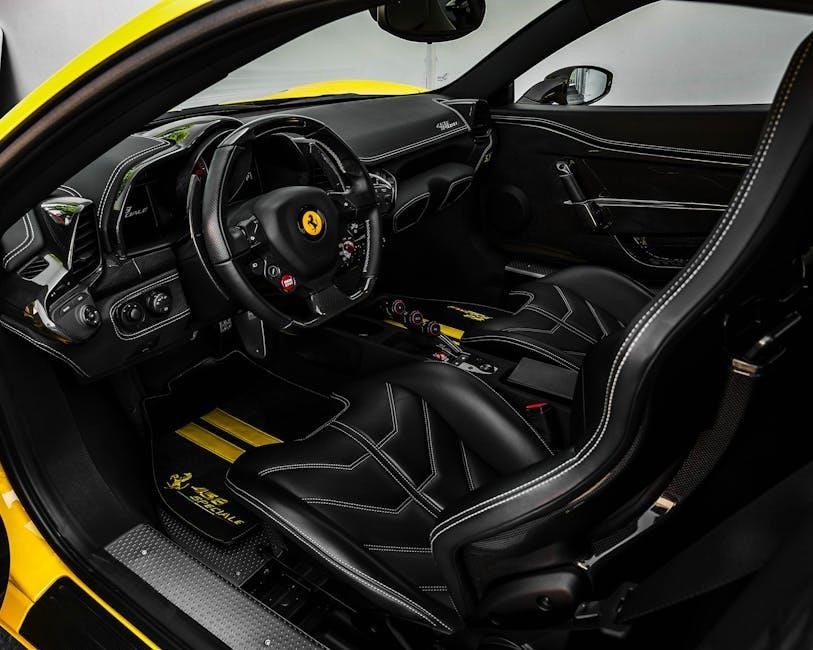
Technical Specifications of the Manual California
The 2012-2014 manual California retains the 4․3L V8 engine, delivering 453 hp, paired with a 6-speed manual gearbox, and rear-wheel drive configuration․
Engine and Performance Figures
The Ferrari California’s heart remains the naturally aspirated 4․3-liter V8 engine, regardless of transmission choice․ However, the manual variant doesn’t exhibit altered power output compared to its dual-clutch counterpart․ It consistently delivers 453 horsepower at 7,900 rpm and 354 lb-ft of torque at 5,000 rpm․
Performance figures are remarkably similar, with 0-60 mph times hovering around 3․8-4․0 seconds, depending on driver skill and conditions․ Top speed remains electronically limited to 193 mph․ While the DCT often achieves marginally quicker times due to faster shifts, the manual offers a more engaging experience․ The engine’s responsiveness and the satisfying mechanical connection provided by the manual gearbox contribute to a visceral driving sensation․
Gear Ratios and Mechanical Components
The 6-speed manual transmission in the California utilizes a traditional gearbox layout, differing significantly from the DCT’s dual-clutch setup․ Gear ratios are carefully calibrated to complement the V8’s power delivery, offering a balance between acceleration and cruising efficiency․ First gear is relatively short, aiding in initial launch, while taller ratios optimize highway driving․
The clutch itself is a robust unit designed to handle the engine’s torque․ The shift linkage is direct and precise, providing a satisfying mechanical feel․ Internally, the gearbox features synchromesh technology for smooth gear changes․ The manual California retains the limited-slip differential found in the DCT version, enhancing traction and cornering performance․ These components work in harmony to deliver a connected driving experience․
Weight Differences: Manual vs․ DCT
Comparing the manual and DCT-equipped Ferrari Californias, a subtle but measurable weight difference exists․ The manual transmission itself is generally heavier than the complex DCT unit, primarily due to its mechanical components and robust construction․ However, the DCT requires additional hardware like hydraulic actuators and cooling systems, partially offsetting this difference․
Specifically, the manual California typically weighs around 3,527 pounds, while the DCT version registers approximately 3,505 pounds – a difference of roughly 22 pounds․ While seemingly minor, this weight distribution can subtly impact handling characteristics․ Purists often appreciate the added heft of the manual, perceiving it as contributing to a more substantial and connected feel on the road․
Driving Experience: Manual California vs․ DCT California
The manual California delivers heightened driver engagement and control, demanding skillful operation, while the DCT prioritizes swift, seamless shifts for performance-focused driving․
Driver Engagement and Control
The six-speed manual transmission in the Ferrari California fundamentally alters the driving experience, fostering a deeper connection between driver and machine․ Unlike the immediacy of the dual-clutch transmission (DCT), the manual requires deliberate gear selection, demanding active participation and rewarding skillful execution․
This tactile involvement elevates driver engagement, providing a sense of control often absent in automated systems․ The driver dictates the rhythm, managing engine speed and selecting the optimal gear for each corner or stretch of road․ This isn’t simply about speed; it’s about feeling the car, anticipating its responses, and mastering its capabilities․
For purists, this direct link to the mechanicals is precisely what a Ferrari should offer, especially in a roadster configuration where the open-air experience amplifies the sensation of driving․
Track Performance Considerations
While the DCT California generally posts quicker lap times, the manual version presents a unique challenge and reward on the track․ The driver must master smooth, precise shifts to minimize disruption to the car’s balance, demanding a higher skill level than the automated DCT․
Heel-toe downshifting becomes crucial for maintaining momentum and controlling weight transfer, adding another layer of complexity․ However, this active involvement can also allow a skilled driver to exploit the engine’s powerband more effectively, potentially closing the gap to the DCT-equipped car․
Ultimately, track performance with the manual California hinges on driver proficiency․ It’s less about outright speed and more about finesse, control, and a deep understanding of the car’s dynamics․
Daily Driving Practicality
The manual Ferrari California presents a mixed bag for daily usability․ While offering a more engaging experience than the DCT, it demands greater driver attention in congested traffic․ Frequent shifting can become tiresome during rush hour, and the clutch, though well-weighted, requires consistent operation․
However, for those who relish a connected driving experience, the manual California transforms everyday commutes into enjoyable events․ The tactile feedback and direct control enhance the sense of occasion, making even mundane journeys feel special․
Parking and low-speed maneuvers are manageable, but require careful clutch modulation․ Overall, the manual California is surprisingly practical, provided the driver is willing to embrace its demands․
Rarity and Collectibility
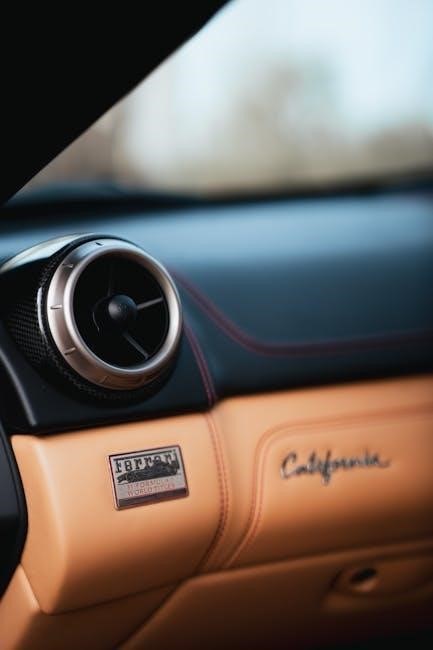
Manual California models are significantly rarer than their DCT counterparts, increasing their desirability among collectors and enthusiasts seeking a unique Ferrari experience․
Production Numbers for Manual California Models
Determining precise production figures for the manual transmission Ferrari California proves challenging, as official Ferrari documentation is often incomplete regarding specific transmission breakdowns․ However, estimates suggest a relatively small number were produced, primarily in 2012, when the 6-speed manual was briefly offered alongside the dual-clutch transmission․
Industry sources and enthusiast forums indicate that approximately 30-40 manual California models were built for the North American market․ Global production numbers are believed to be slightly higher, potentially reaching around 50-60 units total․ This limited availability contributes significantly to the model’s increasing collectibility and premium pricing in the current market․ The rarity stems from Ferrari’s quick return to focusing solely on the DCT option, making the manual a fleeting and special offering․
Factors Influencing Resale Value
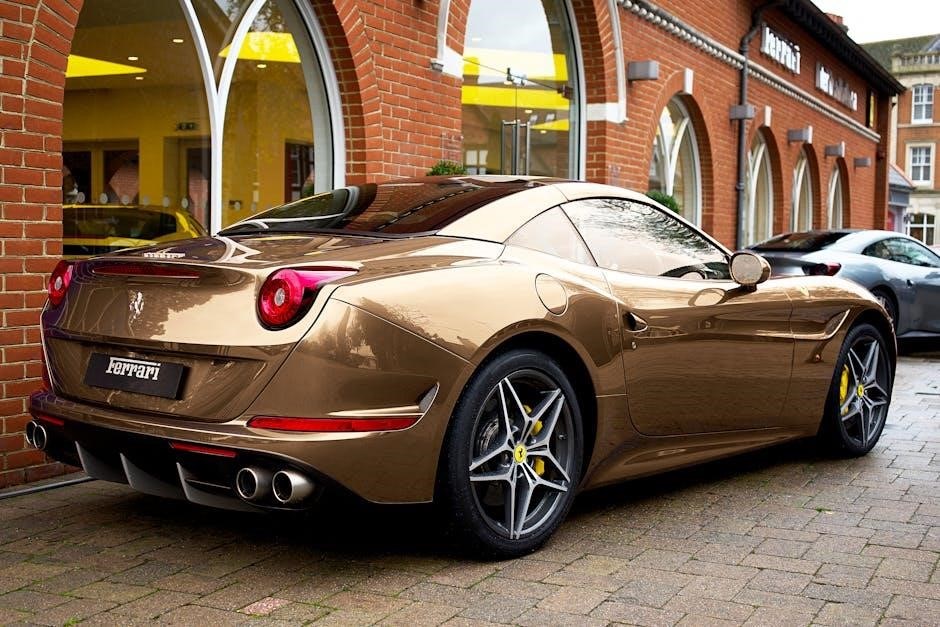
Several key factors dramatically influence the resale value of a manual Ferrari California․ Rarity is paramount; the limited production run directly translates to higher prices compared to DCT-equipped models․ Condition plays a crucial role, with meticulously maintained examples commanding significant premiums․ Low mileage is also highly desirable, reflecting minimal wear and tear․
Originality is another important consideration, as modifications can detract from value․ A complete service history, documented with Ferrari dealership records, adds confidence for potential buyers․ Furthermore, desirable options and colors can positively impact resale․ The growing appreciation for manual transmissions in modern Ferraris further fuels demand and price increases for these rare California models․
Market Trends and Future Appreciation
The market for manual Ferrari Californias is currently experiencing a notable upward trend, driven by increasing demand from collectors seeking a more engaging driving experience․ This trend mirrors a broader resurgence in appreciation for manual transmissions within the enthusiast community․ Early indicators suggest that well-maintained, low-mileage examples are consistently exceeding previous auction estimates․
Future appreciation is projected to continue, particularly as the California represents a relatively accessible entry point into Ferrari ownership․ Limited production numbers ensure scarcity, further bolstering potential value growth․ As the automotive landscape shifts towards electrification, the appeal of classic, naturally-aspirated Ferraris with manual gearboxes is likely to intensify, solidifying the California’s position as a collectible․
Common Issues and Maintenance for Manual California Transmissions
Manual California transmissions require diligent maintenance, with clutch wear being a primary concern; synchro issues and regular gearbox servicing are also crucial for longevity․
Clutch Wear and Replacement
Clutch life in the manual Ferrari California is heavily dependent on driving style and usage․ Aggressive driving, frequent track days, or extensive time spent in stop-and-go traffic will significantly accelerate wear․ Owners should be attentive to signs like clutch slippage during acceleration, difficulty selecting gears, or a higher pedal engagement point․
Replacement is a substantial undertaking, requiring specialized knowledge and tools․ The process isn’t simply swapping a disc; it involves removing the transmission, inspecting the flywheel for damage, and potentially replacing the release bearing and master/slave cylinders․ Costs can vary widely depending on the mechanic and parts used, but expect a significant investment․ Preventative maintenance, like proper bleeding of the hydraulic clutch system, can help prolong its life․
Synchro Issues and Gearbox Servicing
Synchromesh issues are a potential concern in the California’s manual transmission, manifesting as grinding when shifting, particularly into second or third gear․ This often stems from wear on the synchro rings or low transmission fluid levels․ Regular gearbox servicing is crucial for preventative maintenance․
A comprehensive service includes a fluid change using Ferrari-specified oil, inspection of the synchro rings and shift forks, and adjustment of the shift linkage․ Ignoring minor grinding noises can lead to more significant damage, requiring a complete gearbox rebuild – a costly repair․ Proactive servicing, performed every 3-5 years or 30,000km, can mitigate these risks and ensure smooth, precise gear changes․
Overall Maintenance Recommendations
Maintaining a manual Ferrari California requires diligent attention to detail․ Beyond regular fluid checks (engine oil, brake fluid, coolant), the transmission deserves focused care․ Schedule gearbox oil changes every 3-5 years, or 30,000km, using Ferrari’s specified lubricant․
Inspect the clutch hydraulic system annually for leaks and proper operation․ Address any stiffness or sponginess in the pedal immediately․ Furthermore, periodically check the shift linkage for wear and ensure precise engagement․ A proactive approach to maintenance, coupled with a skilled Ferrari technician, will preserve the driving experience and prevent costly repairs, ensuring years of enjoyment from this unique vehicle․