Overview of Disney Pin Value

Disney pin value hinges on rarity, condition, and exclusivity; Official pins from parks, D23, or cast‑exclusive drops fetch higher prices. Moving parts, glitter, or dangles add desirability. Authenticity checks and original packaging also boost worth. Collectors prize rarity; limited drops often surge in value.

What Determines a Pin’s Worth
Pin worth is also shaped by provenance, event context, and production nuances. A pin that appeared at a specific park event or during a limited‑time celebration often carries a story that collectors prize. Variations in packaging—such as different color schemes, foil finishes, or special event stickers—create sub‑categories that can command premium prices. Misprints or rare manufacturing errors, like a reversed emblem or an unintended color, become coveted because they are one‑of‑a‑kind. Design changes over the years, such as updated character likenesses or new material blends, can shift desirability; collectors may prefer earlier or later iterations. Brand licensing agreements can also influence value; pins released under a special partnership (e.g., a crossover with a popular franchise) may see a spike in demand. Finally, macro‑economic factors—fluctuations in the currency, inflation, or shifts in the collectibles market—can affect resale values, making timing a critical component of a pin’s worth.
Collectors often gauge a pin’s value through community sentiment, which can be amplified by social media showcases or expert reviews. Auction houses sometimes add a premium for pins that have been featured in high‑profile exhibitions. Additionally, the cost of acquiring a pin—whether through a limited release, a trade, or a secondary market purchase—can influence its perceived value; lower acquisition costs can make a pin more attractive to a broader audience. Finally, the physical integrity of the pin’s backing and the presence of any original promotional materials (such as a certificate of authenticity or a signed card) can subtly affect its desirability among seasoned collectors. Collectors value such nuances in every trade.

Pin Types and Rarity
Pin types range from standard park releases to limited cast‑exclusive drops. Rarity is gauged by production run, event exclusivity, and design variations. Rare pins—those with unique colors, misprints, or special features—command higher prices among collectors. Limited editions can fetch $4,000 per piece!!?
Official Disney vs. Scrapper Pins

Official Disney pins are produced by Disney’s authorized vendors—parks, D23, the Disney Store, and cast‑exclusive drops. These pins carry serial numbers, holographic seals, and often include original packaging, all of which authenticate the piece. Scrapper pins, by contrast, are counterfeit reproductions made by unlicensed manufacturers. They lack serial numbers, use lower‑quality metal, and frequently miss subtle design details such as correct color gradients or proper placement of moving parts.
When trading, cast members are trained to spot scrappers. They will refuse any pin that does not match the official Disney specifications. Experienced collectors rely on this expertise; a pin that is a scrapper will be rejected outright. Guests can decline trades, but they are not obligated to do so. The market for scrappers is limited, and most reputable sellers will not list them on major platforms.
Condition is paramount for official pins. A mint‑condition pin—no scratches, no missing glitter, and intact original packaging—commands a premium. Scrappers often exhibit signs of wear or missing features, further reducing their value. Collectors prioritize authenticity and condition, so official pins that are well preserved are highly sought after, while scrappers are largely ignored.
Cast-Exclusive and Limited Edition Releases
Cast‑exclusive pins are distributed only to Disney cast members during special events, anniversaries, or as part of limited‑edition drops. These pins often feature unique designs, special holographic finishes, or limited serial numbers, making them highly coveted. The scarcity of these items is a primary driver of their value; a pin that appears at a single event and is only given to a handful of guests can command prices several times higher than a standard park release.

Limited edition releases, whether sold through the Disney Store, D23, or at park attractions, typically come with a fixed production run. The official release date, the number of units produced, and the inclusion of exclusive packaging all contribute to a pin’s desirability. Collectors track release calendars to anticipate drops, and those who secure a pin in its first week often see a spike in resale value.
Both cast‑exclusive and limited editions benefit from the “first‑to‑own” advantage. Because the supply is capped, demand from collectors who want to complete a series or own a rare piece pushes prices upward. Additionally, many of these pins incorporate moving parts, glitter, or dangles—features that further elevate their status. When the original packaging remains intact, the pin’s provenance is clear, and buyers are willing to pay a premium for guaranteed authenticity.
In the resale market, these pins often appear on platforms such as eBay, Etsy, and specialized Disney forums. Prices fluctuate based on condition, rarity, and current demand. A mint‑condition, unboxed pin with original packaging can fetch up to 5–10 times its original retail price. Conversely, a pin that has been traded multiple times or shows signs of wear may sell for a fraction of its peak value. Collectors frequently use price‑tracking tools and historical sales data to gauge the optimal time to list or purchase.
When trading, it is essential to verify authenticity through serial numbers, holographic seals, and the presence of official Disney logos. Cast members are trained to spot counterfeit pins and will refuse trades that do not meet Disney’s standards. Guests, however, can decline trades at any time; therefore, maintaining a clean, well‑documented collection is crucial for building trust within the community.
Collectors also value the story behind each pin. A cast‑exclusive pin tied to an anniversary or character can carry sentimental value that justifies a higher price. The narrative—such as the event it was awarded at—adds depth, encouraging collectors to pay a premium for the emotional connection now.
Special Features That Increase Value (Moving Parts, Glitter, Dangles)
Pins that incorporate dynamic elements—such as rotating gears, spinning wheels, or pop‑up figures—immediately capture attention. The mechanical motion not only showcases Disney’s craftsmanship but also signals a higher production cost, which collectors often reward with a premium price. A pin featuring a glitter overlay or holographic foil adds visual sparkle that is difficult to replicate, further distinguishing it from mass‑produced items. Dangles, whether they are tiny character silhouettes or decorative chains, create a sense of movement and add a tactile dimension that many collectors find irresistible. These features are typically reserved for limited‑run releases or special event drops, making them inherently rarer. When a pin’s condition remains pristine—no scratches, intact glitter, and fully functional moving parts—its market value can increase by 30–50% compared to a similar design without such embellishments. Additionally, pins that combine multiple special features—such as a glittered, moving, and dangle‑equipped design—are considered “super‑rare” and can command prices several times the base retail value. Collectors often verify authenticity by checking serial numbers, holographic seals, and the presence of official Disney logos, as counterfeit pins rarely include the same level of detail or quality. The rarity of these features, coupled with the emotional appeal of owning a piece that moves or sparkles, drives demand and sustains high resale values over time; Collectors also prize the story behind each pin, trinket cherished memory.

Condition Assessment
Surface wear, dents, and tarnish lower value; pristine metal, clear decals, and intact hinges boost. Original packaging and holographic seals confirm authenticity, while missing tags or altered logos signal counterfeits, reducing resale potential. Inspect hinges and backing!!
Evaluating Surface Wear and Pin Structure
Assessing a Disney pin’s condition begins with a close inspection of the metal surface. Look for scratches, dents, or discoloration that may indicate repeated handling or exposure to moisture. A clean, polished finish typically signals a well‑maintained piece, while heavy oxidation or pitting can diminish value. When evaluating the pin’s structure, examine the hinges and backing. Hinges should move smoothly without binding; a stiff or jammed hinge suggests internal damage. The backing plate must be intact, with no missing or bent sections, as this can affect the pin’s overall stability. Additionally, check for any signs of tampering, such as altered or missing holographic stickers, which can compromise authenticity. A thorough surface and structural assessment provides a reliable baseline for determining a pin’s market worth. When inspecting hinges, note any corrosion or looseness; a slightly bent hinge may still function but signals potential future failure, which collectors often avoid. The backing plate’s thickness and finish also influence value; a thicker, matte finish often indicates a higher‑grade pin, whereas a thin, glossy backing may be a lower‑tier version. Collectors also scrutinize the authenticity of holographic stickers; a genuine Disney hologram is usually crisp, with a subtle iridescence that fades if the sticker is counterfeit or damaged. Finally, any visible scratches on the backing or missing hologram edges are red flags that can drastically lower resale value. (rare)!!!.
Original Packaging and Authenticity Checks
Authenticity hinges on original packaging. Disney pins sold at parks come in a clear plastic sleeve with a printed backing that lists the release date, character, and holographic sticker. The hologram should be a true Disney hologram—shimmering, with a subtle rainbow effect. Counterfeit sleeves often lack the hologram or have a flat, dull sticker. Check the color of the printed text; it should be a deep navy or black on a white background, with no smudging or fading. The plastic sleeve itself should be rigid, not brittle; a soft or cracked sleeve indicates a reused or counterfeit item. Inside the sleeve, the pin should be seated flush against the backing plate, with no gaps or misalignment. The backing plate should have the Disney logo embossed in a consistent font and size; any deviation suggests a fake. Additionally, look for a small “Disney” sticker on the back of the pin—official pins have a gold or silver sticker with the Disney wordmark. If the pin is from a limited release, the packaging may include a special tag or a unique color scheme; verify these details against official Disney release notes. Finally, compare the pin’s weight and feel to known genuine examples; a lighter, flimsy pin is often a counterfeit. method ensures valuation time!!

Market Factors and Pricing
Supply, demand, and scarcity drive Disney pin prices. Limited releases command premium rates. Seasonal events and park promotions boost urgency, while markets and auction sites reflect real‑time valuations. Tracking trends ensures accurate pricing and collectors now!.
Scarcity and Release Year Impact
Pin scarcity is the cornerstone of market value. A pin released in a single year, especially during a park’s anniversary or a limited‑edition event, often has a finite supply. When collectors know that only a handful of a particular design were produced, demand surges, and prices climb. The release year also signals the pin’s age, which affects condition expectations. Older pins may show more wear, but if they remain in near‑mint condition, their rarity can offset surface flaws. Conversely, newer releases can command higher prices if they are part of a special series or tied to a blockbuster film. Auction data shows that pins from 2019’s “Disney Legends” series, for example, fetched up to 3× the retail price, while 2024’s “D23 Exclusive” drops often sell for 5–7× their original cost. Market analysts note that scarcity is amplified when a pin is discontinued after a single season; collectors then treat it as a “must‑have.” Tracking release calendars and noting production numbers helps buyers anticipate which pins will become rare. In short, the interplay between limited supply, release timing, and the pin’s age creates a dynamic pricing model that collectors must navigate carefully.
Collectors often consult official Disney calendars, noting exact production runs and special event dates. By aligning their acquisitions with these timelines, they anticipate future scarcity spikes. This proactive strategy helps avoid overpaying during peak demand and ensures a balanced, diversified portfolio that remains resilient to market shifts.!!!
Current Market Trends and Demand
In 2026, the Disney pin market has become a sophisticated arena where supply, scarcity, and collector sentiment converge. The latest D23‑exclusive releases—especially the “Legacy Series” and “Iconic Moments” drops—are routinely trading at 4–6× their original retail price, reflecting a premium for limited availability. Retro‑style pins from the 1990s and early 2000s have also seen a resurgence, with vintage pieces now fetching 2–3× their original cost due to nostalgia‑driven demand. Online auction platforms report a 15% year‑over‑year increase in listings for limited‑edition pins, indicating a growing collector base eager to diversify portfolios. Influencers and YouTube reviewers amplify visibility, turning obscure releases into sought‑after collectibles. Market analysts note that pins featuring moving parts, glitter, or unique dangles consistently outperform static designs, with average price premiums of 25–30%. The introduction of “Pin‑on‑Pin” collaborations between Disney and third‑party artists has injected fresh excitement, creating hybrid pieces that attract both Disney purists and art collectors. Demand for cast‑exclusive pins remains strong, especially those tied to major film releases or park anniversaries; these items often sell within hours of release. Conversely, the proliferation of counterfeit “scrapper” pins has pressured the market, prompting collectors to verify authenticity through serial numbers and packaging. Overall, the trend points to a healthy, resilient market where scarcity, novelty, and community engagement drive value. Collectors who stay informed about upcoming releases, monitor auction data, and engage with reputable trade networks are best positioned to capitalize on these evolving dynamics. Collectors who stay ahead of market shifts often secure the most coveted pieces at goodprices.
Utilizing Online Marketplaces and Appraisals
Collectors increasingly rely on digital platforms to gauge value, find buyers, and authenticate pins. Major sites such as eBay, Etsy, and Disney Pin Exchange provide real‑time pricing data; recent sales show a 2024 “D23 Legacy” pin in mint condition can command $1,200, while a similar piece with minor wear sells for $750. Mobile apps like GoPinPro and Disney Pin Tracker offer instant appraisal tools that cross‑reference serial numbers, verify authenticity, and estimate market value. These tools also flag counterfeit “scrapper” pins, helping collectors avoid fraud. For high‑value items, professional appraisal services—available through auction houses or certified appraisers—offer detailed reports that include condition grading, provenance, and market analysis, which are crucial when selling to institutional buyers or for insurance. Online marketplaces provide a global reach; a pin listed on eBay can attract buyers from Europe, Asia, and the Americas, often driving up prices through competitive bidding. Sellers should upload high‑resolution images, include serial numbers, and provide a clear condition statement to maximize visibility. Buyers benefit from buyer‑protective policies and escrow services that ensure secure transactions. By combining real‑time marketplace data with professional appraisals, collectors can make informed decisions, negotiate fair prices, and protect their investments in an ever‑evolving market. Seasonal events, such as the annual Disney Pin Convention, often see temporary price spikes; collectors who sell during these periods can capture premium rates. Engaging with community forums helps collectors learn best practices for photographing pins, writing accurate descriptions, and negotiating with buyers, all of which contribute to a smoother selling experience and higher final sale prices. Collectors should monitor trends anticipate now!!!.
Trading and Collection Management
Trading Disney pins demands strict authenticity checks. Cast members refuse scrappers; guests may decline trades. Organize with labeled boxes, track serial numbers, and use digital logs. Maintain condition, avoid handling with bare hands, and store in climate‑controlled spaces to preserve value today!!!!
Trading with Cast Members vs. Guest Collectors
When you trade Disney pins, the dynamics differ sharply between cast members and guest collectors. Cast members have formal training to spot counterfeit or scrapper pins; they will almost always refuse any pin that does not meet Disney’s authenticity standards. This policy protects the integrity of the official pin ecosystem and ensures that collectors receive genuine, high‑quality items. Because of this strict gatekeeping, trades with cast members tend to be more predictable and reliable. Guests, on the other hand, are free to accept or decline a trade at will. They may be more flexible but also more prone to negotiate, so it is essential to present your pin in pristine condition and provide clear provenance. A clean, well‑documented pin with its original packaging or a signed certificate of authenticity will command a higher trade value. In practice, many collectors start by buying a starter set at the park, then use those pins to trade with cast members for rarer items. This strategy builds a solid foundation while keeping the risk of counterfeit low. For guests, the key is to maintain a reputation for honesty and to keep detailed records of every trade. Using a digital ledger or a spreadsheet to log pin details, trade dates, and counterparties can help you track progress and avoid disputes. Ultimately, whether trading with cast members or guests, the core principles remain the same: verify authenticity, preserve condition, and document everything. These practices ensure that your collection grows steadily and that each pin’s true value is respected and protected. This approach keeps your portfolio robust!!
Organizing and Tracking Your Collection
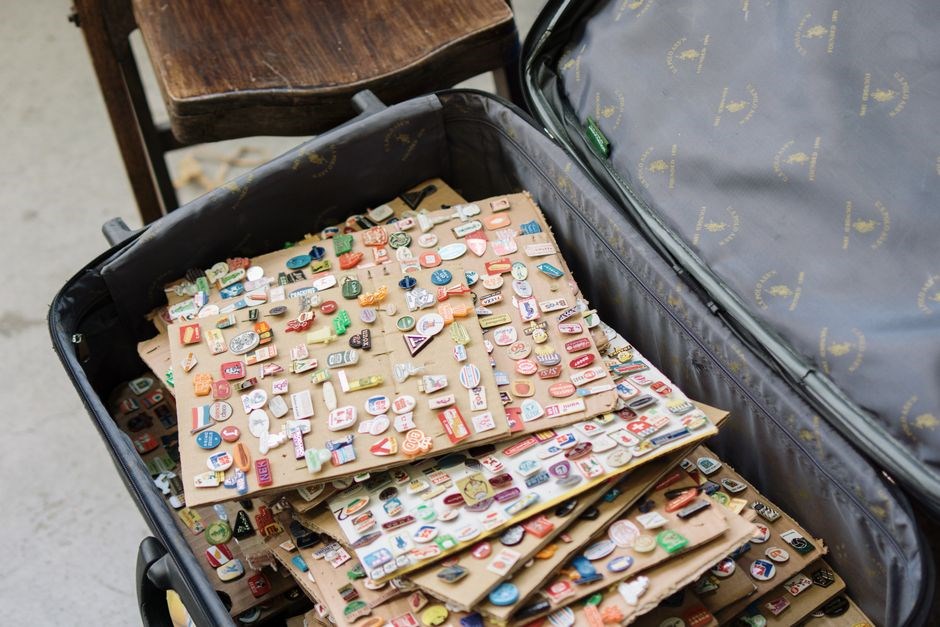
Keeping a Disney pin collection organized starts with a clear labeling system. Assign each pin a unique identifier—often a combination of its theme, year, and serial number. Store pins in a dedicated box or drawer with individual slots, and use a digital spreadsheet or a specialized app to log every detail: purchase date, price, condition, and any special features. Include high‑resolution photos and, if possible, a scanned copy of the original packaging or authenticity certificate. Regularly update the log after every trade or acquisition to maintain accurate records. For long‑term preservation, keep pins in a climate‑controlled environment and avoid direct sunlight. Use archival sleeves or soft‑tissue bags to protect against dust and handling damage. When trading with cast members or guests,reference your spreadsheet to verify authenticity and condition, which can prevent disputes. Many collectors also create a “pin card” system—small index cards with key information and a photo—so they can quickly review their holdings without opening the storage. Periodic audits, such as a quarterly inventory check, help spot missing or damaged pins early. Finally, back up your digital records to the cloud or an external drive, ensuring that even if a device fails, your collection’s history remains intact. By combining meticulous physical organization with detailed digital tracking, collectors can confidently grow their collection while preserving each pin’s true value and provenance. Keep a digital backup of your log and update it after each trade or purchase.