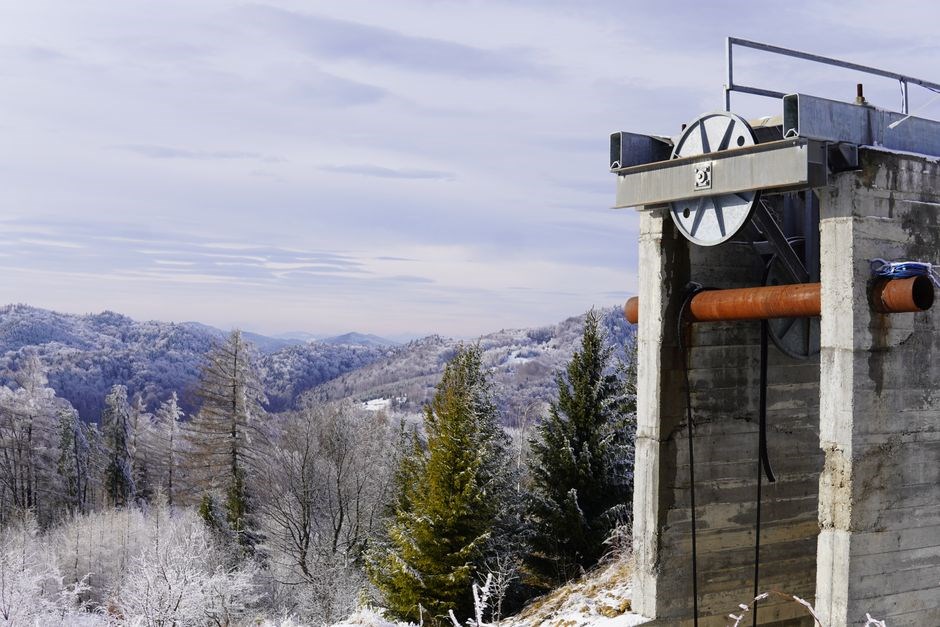
Overview of Manual Dumbwaiters
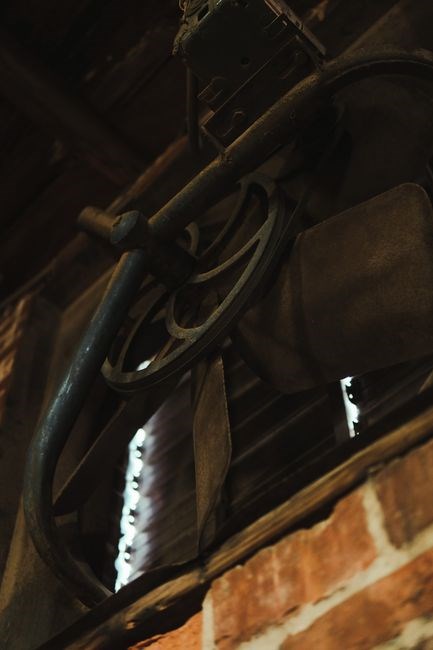
Manual dumbwaiters offer a cost‑effective, low‑profile solution for vertical transport in homes. By leveraging simple pulley systems, they reduce the need for full elevators, easing mobility challenges for aging residents and providing a practical, budget‑friendly lift Ideal for kitchens store
Definition and Core Functions
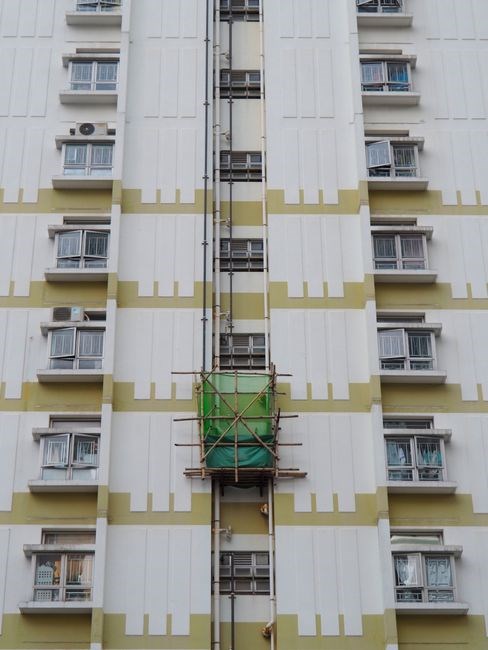
A manual dumbwaiter is a lightweight operated lift designed to transport loads—such as food laundry or tools—between floors. Unlike motorized elevators, it relies on a pulley system, counterweight, and a handwheel or lever for user‑driven motion. The core function is to provide a safe, efficient vertical transfer that reduces the physical strain of carrying items up or down stairs, especially for elderly or disabled occupants. By operating manually, these units avoid the electrical, hydraulic, and maintenance demands of powered lifts making them ideal for residential kitchens, restaurants, or small commercial spaces where space and budget are limited. The design typically includes a rigid shaft, a single‑speed pulley, and a counterweight balance the load allowing the user to lift or lower the carriage with minimal effort. The simplicity also means fewer moving parts, lower risk of mechanical failure, and easier troubleshooting. In addition, manual dumbwaiters can be installed in existing stairwells or dedicated shafts without extensive structural modifications, providing a quick solution to vertical logistics challenges. Their versatility extends to food service, where they enable chefs to move trays between prep and plating areas, and to household use, where they help keep kitchens tidy by transporting dishes or groceries without climbing stairs
Because the system is hand‑powered, operators can adjust speed to match the load, ensuring a smooth ride even on uneven floors. The counterweight, usually steel or concrete, balances the carriage, keeping the handwheel light and effort within comfortable limits. Easy upkeep, low cost.!!

Historical Evolution and Current Applications
Manual dumbwaiters originated in 18th‑century European kitchens, where servants used simple rope‑and‑pulley systems to ferry dishes between floors. By the early 1900s, industrialization introduced steel shafts and counterweights, enabling widespread use in hotels, hospitals, and commercial kitchens. The 1930s saw the first patent for a safety brake, a critical feature that secured the carriage during overload. After World II, suburban expansion brought dumbwaiters into private homes, especially in multi‑story residences where space constraints made elevators impractical. In the 1970s, lightweight aluminum frames and improved insulation reduced noise and increased efficiency, popular in restaurants and food‑service chains. Today, manual dumbwaiters are common in culinary establishments, catering to chefs who need reliable vertical transport of trays, pots, and ingredients. Residential applications include kitchens, laundry rooms, and apartments, where they help seniors move groceries or dishes without climbing stairs. Smart building management systems integrate sensors that monitor load, usage patterns, and maintenance needs, even in hand‑powered units. Despite motorized lifts, low cost, minimal maintenance, and straightforward installation keep manual dumbwaiters relevant in commercial and domestic settings. Hospitals use them to transport linens, medications, and equipment between floors, improving patient care. These systems are valued for their reliability and low maintenance, making them staple in healthcare facilities, now!
Mechanical Design Principles
Manual dumbwaiters use a vertical shaft, lightweight carriage and rope‑driven pulley. Counterweights balance load, while friction brakes ensure safety. Steel or aluminum frames provide strength and corrosion resistance, keeping the system reliable and low‑maintenance.and minimal upkeep. daily.
Primary Components (Shaft, Pulley, Counterweight)
Designers often integrate a secondary safety latch that engages when the carriage reaches the top or bottom, preventing accidental descent. A smooth‑glide guide rail reduces wear, and a hand‑wheel lets the operator apply torque efficiently. Balancing the counterweight with the carriage load ensures minimal effort and extends the cable’s life yr.
Manual Operation Mechanisms (Lever, Handwheel, Crank)
Modern units often include a latch that engages at floor level, accidental descent and ensuring operator control. This feature enhances safety!
Operators should verify cable tension remains within specifications to prevent disengagement.
Check daily cable tension to avoid disengagement.!!
Installation Requirements
Proper installation demands a structurally sound shaft, accurate load calculations, and secure anchorage. The frame must support the counterweight and cable tension. Compliance with local codes, fire safety, and clear access paths is essential for safe operation. Professional inspection mandatory.
Structural Load Calculations and Shaft Design
When installing a manual dumbwaiter, the first step is to determine the maximum payload, including the weight of the carriage, counterweight, and any cargo. The load is typically capped at 200 lb (90 kg) for residential units, but local codes may impose stricter limits. Once the payload is known, the shaft must be sized to accommodate the carriage’s travel height plus a safety margin of at least 12 in (30 cm). The shaft material—steel or reinforced concrete—must resist bending stresses induced by the cable tension. Engineers use the formula τ = (T·d)/(2·J) to calculate shear stress, where T is the cable tension, d the cable diameter, and J the polar moment of inertia. For a 1‑inch steel cable carrying 200 lb, the shear stress is well below the allowable 60 MPa, giving a safety factor of 4. The shaft’s cross‑sectional area should be at least 2.5 times the maximum cable load to prevent yielding. Additionally, the shaft must be anchored to the building’s structural frame with steel plates and bolts rated for at least 1.5 times the calculated load. The counterweight is typically 1;2–1.5 times the carriage load to balance the system, reducing the effort required for manual operation. Proper drainage and ventilation are essential to prevent corrosion and ensure smooth cable movement. Finally, a detailed load chart should be posted near the dumbwaiter, indicating maximum engineer
Safety Checks and Compliance with Building Codes
Before a manual dumbwaiter becomes operational, a comprehensive safety audit is mandatory. The first step is to verify that the carriage, cable, and counterweight meet the manufacturer’s load specifications. A certified inspector should perform a static load test by applying 1.5 times the rated payload to confirm structural integrity. Next, the cable must be inspected for fraying, corrosion, and proper lubrication; any wear beyond 10% of the original diameter requires replacement. The pulley bearings should be greased with a high‑temperature grease and checked for smooth rotation. A safety brake or ratchet system must be installed on the cable to prevent accidental descent; the brake should engage automatically when the carriage reaches the top or bottom. Building codes, such as the International Residential Code (IRC) and local amendments, mandate that the shaft be constructed from fire‑resistant material and that the door opening be equipped with a self‑closing latch. The dumbwaiter’s electrical wiring, if any, must comply with NEC Article 680 for appliance wiring. Finally, a signed safety certification must be filed with the local building department, and the unit should be inspected annually to ensure continued compliance. Regular documentation of maintenance logs and any corrective actions is essential for legal and safety accountability. Compliance records should be stored in a fire‑proof cabinet, and a digital log maintained on a cloud platform to facilitate audits and upgrades.!
Maintenance and Troubleshooting
Routine inspections, lubrication, and cable tension checks keep dumbwaiters running smoothly. Replace worn pulleys, inspect brake systems, and ensure balance. Quick fixes include tightening bolts, adding grease, and realigning shafts to prevent jams and.!
Routine Inspection, Lubrication, and Wear Monitoring
Routine inspection is the cornerstone of reliable operation for a manual dumbwaiter. Begin each cycle by visually checking the shaft, rails, and handwheel for cracks, corrosion, or deformation. Next, verify that the counterweight is properly balanced and that the pulley system moves freely without binding. Lubrication should be applied to all moving parts—especially the bearings, the handwheel shaft, and the pulley shaft—using a high‑quality, non‑greasy grease that resists moisture. A light coat applied every three months prevents metal‑to‑metal contact and reduces wear. Wear monitoring involves measuring the thickness of the rail surfaces and the diameter of the pulley wheels. Use a micrometer or a calibrated feeler gauge to detect any reduction beyond the manufacturer’s tolerance. If the rail wear exceeds 0.02 mm or the pulley diameter shrinks by more than 0.05 mm, replace the component before failure. Additionally, inspect the brake mechanism for proper engagement; a loose brake can lead to uncontrolled descent. Record all findings in a maintenance log, noting dates, measurements, and any corrective actions. This systematic approach not only extends the life of the dumbwaiter but also ensures safety for occupants and compliance with local building codes. Regular documentation also aids in troubleshooting future issues by providing a clear history of component performance and maintenance intervals.
For advanced monitoring, install a simple load sensor on the counterweight. This sensor can alert you if the load exceeds the rated capacity, preventing over‑stress on the shaft and bearings. Periodically test the handwheel’s torque by applying a known force and measuring the resulting displacement; a significant increase in required force indicates bearing wear. Finally, schedule a professional inspection annually to verify that all safety devices, such as the emergency stop and limit switches, function correctly. By combining visual checks, lubrication, precise wear measurements, and sensor data, owners can maintain a safe, efficient, and long‑lasting manual dumbwaiter system!!!??
Common Failure Modes and Quick Fixes
Manual dumbwaiters, while simple, can suffer from several predictable failure modes that can be addressed quickly with routine maintenance and straightforward repairs. The most frequent issues include:
- Rail wear and misalignment: Over time, the steel rails can develop burrs or become bent, causing the carriage to bind. Clean rails, re‑level, and lubricate.
- Pulley shaft corrosion: Moisture can rust the shaft, increasing friction. Clean and replace bearings, re‑lubricate.
- Counterweight imbalance: Shifted weight causes uneven load. Re‑balance by adding or removing steel plates.
- Handwheel seizure: May seize from lack of lubrication. Clean shaft, lubricate, reassemble.
- Brake failure: Lose tension or misalign. Inspect pad, replace worn parts, adjust screw.

For each of these problems, a simple diagnostic step—such as a visual inspection, a feeler gauge check, or a torque test—helps pinpoint the exact cause. Once identified, most fixes can be completed in under 30 minutes, restoring safe operation without the need for costly professional intervention. Regular checks help detect early signs of wear, preventing costly repairs and ensuring continuous safe use daily. This proactive approach saves time and money, ensuring reliability.
Costs, Accessibility, and Future Trends
Manual dumbwaiters cost between $1,200 and $3,500, offering budget mobility. Accessibility upgrades—handrails, wider doors—add $200–$700. Future trends focus on lightweight composites, smart sensors, and energy‑efficient counterweights. Installation costs range $500–$1,200 for labor. Maintenance Pro!
Cost Breakdown: Parts, Labor, and Long‑Term Savings
Parts: Core components—shaft, counterweight, pulley, handwheel, and safety brackets—typically cost $400–$1,200. A steel shaft with a 50‑lb counterweight and a 1‑inch pulley set averages $800. Handwheel additions range $100–$200; custom finishes can push the parts budget to $1,500. Labor: Professional installation, including structural assessment, shaft drilling, cable tensioning, and compliance checks, averages $800–$1,500, with licensed contractors adding $100–$250. Long‑term savings: A manual dumbwaiter eliminates electric elevator energy costs ($200–$400/year). Over 15 years, savings exceed $3,000. Maintenance is modest—annual lubrication and inspection cost $150–$300, far below the $600–$1,200 annual service for powered lifts. Total cost, parts plus labor and long‑term operating expenses, ranges $2,400–$4,200, often less than half the price of a residential elevator while providing reliable vertical mobility.
Accessibility Features and Emerging Smart Integration
Manual dumbwaiters can be retrofitted to meet modern accessibility standards. A lightweight, low‑profile shaft allows a 12‑inch clearance, enabling wheelchair users to load and unload items with minimal effort. The handwheel can be replaced with an ergonomic lever or a foot‑pedal, reducing the required strength to 30 lb. Adding a tactile indicator on the lever and a voice‑activated switch allows visually impaired users to operate the device safely. Smart integration is emerging through wireless sensors that detect load weight and automatically adjust counterweight tension, preventing over‑exertion. Bluetooth modules can log usage data, alerting maintenance staff to wear before failure. Voice assistants such as Alexa or Google Home can issue “open” or “close” commands, while a smartphone app provides real‑time status, including battery level for any auxiliary power. These features not only enhance safety but also broaden the device’s usability for seniors, people with disabilities, and busy households. In the future, AI‑driven predictive maintenance will anticipate cable fatigue, and IoT connectivity will allow remote monitoring, ensuring compliance with evolving building codes and accessibility regulations. Future upgrades may include solar‑powered auxiliary motors, allowing the dumbwaiter to operate without manual effort during power outages, thereby enhancing resilience and reducing maintenance costs. for allusers