Symons Concrete Forms Manual: A Comprehensive Guide
This manual details the Steel-Ply system, a pre-engineered, reusable concrete forming solution for diverse applications – from residential foundations to large commercial builds.
Symons Concrete Forms, now under Dayton Superior, represent a legacy of innovation in concrete construction. This comprehensive system, particularly the Steel-Ply forming system, offers a pre-engineered and factory-built solution designed for reusability and efficiency. Whether employed in handset or gang form applications, these forms adapt to commercial and residential projects alike.
The system’s versatility allows for the creation of walls with almost any shape or size, enhanced by specialized accessories. This manual serves as a guide, empowering users to master the system and achieve precision in their concrete work, ensuring durable and high-quality results.
Historical Overview of Symons & Dayton Superior
Symons’ history is rooted in providing robust concrete forming solutions, evolving over decades to meet the changing demands of the construction industry. The acquisition by Dayton Superior further strengthened this commitment, combining Symons’ expertise with Dayton Superior’s extensive resources and broader product portfolio.
This synergy has led to continuous improvements in the Steel-Ply system and other forming technologies. Dayton Superior’s support ensures ongoing innovation, quality control, and readily available resources for users of Symons Concrete Forms, solidifying their position as a leader in the concrete construction sector.
Steel-Ply Forming System: Core Principles
The Steel-Ply system centers around pre-engineered, factory-built panels, offering exceptional strength and durability for concrete forming. Its modular design allows for versatile applications, accommodating various wall heights, thicknesses, and shapes. Efficiency is key, with quick assembly and disassembly reducing labor costs and project timelines.
The system’s reusability contributes to cost-effectiveness and sustainability. Steel-Ply prioritizes safety through robust construction and secure connections, ensuring a stable and reliable forming solution for both handset and gang form applications in commercial and residential projects.
Components of the Steel-Ply System
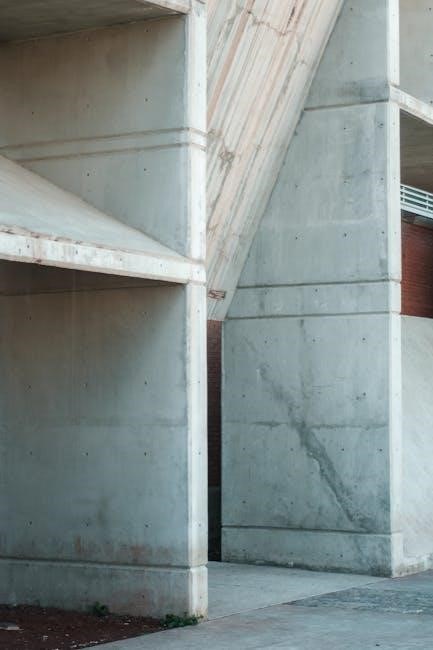
The Steel-Ply system comprises several key elements working in unison to create robust concrete forms. These include the steel panels themselves – the foundational building blocks – alongside essential accessories like walers, ties, and bracing. Walers provide horizontal support, while ties securely connect opposing panels, resisting concrete pressure. Bracing ensures overall stability and alignment during the pouring process.
These components are designed for seamless integration, maximizing efficiency and minimizing on-site modifications. The system’s modularity allows for customization, adapting to diverse project requirements and ensuring a precise, high-quality concrete finish.
Panel Construction and Materials
Symons Steel-Ply panels are factory-built, utilizing a robust steel frame and a durable plywood facing. This construction method ensures consistent quality and longevity, offering a reusable forming solution; The steel frames provide exceptional strength, capable of withstanding significant concrete pressure, while the plywood offers a smooth surface for concrete placement.
Panels are engineered for easy handling and assembly, reducing labor costs and accelerating project timelines. The materials are selected for their resistance to deformation and wear, maximizing the system’s lifespan and return on investment.
Walers, Ties, and Bracing
Walers are horizontal members running parallel to the panel faces, providing crucial support and distributing concrete pressure evenly. Symons systems utilize high-strength steel walers designed for repeated use. Ties connect opposing panels, maintaining alignment and resisting lateral forces. These ties are adjustable, accommodating varying wall thicknesses.
Bracing is essential for panel stability, preventing buckling or movement during concrete placement. Diagonal bracing, combined with walers and ties, creates a rigid and secure forming system. Proper bracing ensures accurate dimensions and a high-quality concrete finish.
Applications of Symons Concrete Forms
Symons Steel-Ply forms excel in diverse construction scenarios, offering versatility for both large-scale commercial projects and smaller residential foundations. Their pre-engineered design allows for efficient forming of walls of almost any shape or size. Commercial applications include high-rise buildings, parking structures, and industrial facilities, benefiting from the system’s speed and reusability.
Residential foundations are streamlined with Steel-Ply, providing accurate and durable forms for footings and foundation walls. The system’s adaptability makes it suitable for complex architectural designs and varying site conditions.
Commercial Construction Projects
Symons Steel-Ply systems significantly benefit commercial construction due to their speed and efficiency. High-rise buildings, parking structures, and expansive industrial facilities leverage the system’s ability to form large wall areas quickly and repeatedly. The pre-engineered nature minimizes on-site labor, reducing project timelines and costs.
Steel-Ply’s robustness ensures durability throughout the construction process, handling the demands of large-scale pours and frequent reuse. Adaptability allows for complex designs, while accessories cater to specialized forming needs, making it a preferred choice for demanding commercial projects.
Residential Foundation Forming
Symons Steel-Ply proves highly effective for residential foundation work, offering a balance of strength and ease of use. The system’s modularity allows for quick adaptation to varying foundation sizes and shapes commonly found in home construction; Its reusability provides cost savings for builders undertaking multiple projects.
Simplified assembly and alignment features reduce labor time and ensure accurate concrete placement. Even for handset applications, Steel-Ply delivers consistent results, creating durable and structurally sound foundations. This makes it an ideal solution for both individual home builds and large residential developments.
Setting Up the Steel-Ply System
Proper setup is crucial for successful concrete pours. Begin with thorough foundation preparation and precise layout, ensuring a level base for panel placement. Panel assembly is straightforward, utilizing the system’s designed connections for secure joining. Careful alignment is key; utilize bracing and ties to maintain plumb and prevent shifting during concrete placement.

Double-check all connections before pouring, verifying that walers and ties are correctly positioned and tightened. A well-prepared system minimizes the risk of blowouts and ensures the final concrete structure meets required specifications.
Foundation Preparation and Layout
Accurate foundation preparation is paramount for a stable and dimensionally correct concrete structure. Begin by clearing the area of debris and ensuring a level, compacted base. Precise layout, following engineering plans, dictates panel positioning. Stake out the perimeter, verifying squareness and correct dimensions before commencing panel assembly.
Consider soil conditions and adjust preparation accordingly. A solid, well-prepared foundation prevents shifting during the pour, guaranteeing structural integrity. Proper layout minimizes waste and ensures efficient use of the Steel-Ply system.
Panel Assembly and Alignment

Begin by connecting panels using the Speed Bolt system, ensuring a tight and secure fit. Vertical alignment is crucial; utilize levels and plumb bobs to achieve perfect perpendicularity. Walers and ties provide lateral support, preventing bowing or displacement during concrete placement.
Regularly check alignment throughout the assembly process. Minor adjustments can prevent significant issues later. Proper panel assembly maximizes the Steel-Ply system’s efficiency and ensures the final concrete structure meets specified tolerances. A well-aligned formwork delivers superior results.
Adjustable Column Forms: Design and Usage
Symons adjustable column forms offer versatility in creating columns of varying dimensions. These systems utilize a modular design, allowing for quick adaptation to different project requirements. Standard Speed Bolts secure the formwork, ensuring stability during concrete pouring. The forms are engineered for repeated use, reducing project costs.
Proper bracing and support are essential for maintaining column form integrity. Adjustments are easily made to accommodate specific column heights and shapes. Careful planning and adherence to the manual’s guidelines guarantee accurate and structurally sound column construction.

Speed Bolt System: Functionality and Benefits
The Symons Speed Bolt system is a crucial component for efficient and secure concrete formwork assembly. These bolts provide rapid connection and disconnection of form panels, significantly reducing setup and dismantling times. Standard Speed Bolts ensure consistent clamping pressure, vital for maintaining form integrity during concrete placement.
Benefits include increased labor productivity, minimized downtime, and enhanced safety on the job site. The system’s robust design allows for repeated use without compromising performance. Proper tightening and inspection of Speed Bolts are essential for optimal results.
Safety Considerations When Using Symons Forms
Prioritizing safety is paramount when working with Symons concrete forms. Proper handling and lifting techniques are crucial to prevent injuries; always use appropriate equipment and teamwork for heavier panels. Regularly inspecting for damage and wear – checking for bent components, cracked panels, or worn ties – is essential before each use.
Ensure forms are adequately braced and secured before concrete placement. Never exceed the forms’ load capacity. Workers should wear appropriate personal protective equipment (PPE), including hard hats and safety shoes, at all times.
Proper Handling and Lifting Techniques
Safe handling of Symons forms begins with planning. Assess the weight and size of each panel before attempting to move it. Employ team lifting for heavier components, ensuring clear communication and coordinated movements. Utilize appropriate lifting equipment – cranes, forklifts, or specialized form lifters – when available and necessary.
Always lift with your legs, keeping your back straight. Avoid sudden jerks or movements. Securely fasten panels during transport to prevent shifting or falling. Inspect lifting points for damage before each lift, and never exceed the equipment’s rated capacity.
Inspecting for Damage and Wear

Regular inspection is crucial for safety and form integrity. Before each use, thoroughly examine panels for dents, bends, cracks, or corrosion. Pay close attention to weld points and connection hardware. Check walers and ties for straightness and secure locking mechanisms. Look for signs of concrete buildup which can hinder proper alignment.
Damaged components must be removed from service immediately. Replace worn or broken parts with genuine Symons replacements. Document all inspections and repairs to maintain a clear maintenance record. Promptly address any issues to prevent accidents and ensure optimal performance.
Maintenance and Storage of Concrete Forms
Proper maintenance extends the lifespan of your Symons forms. After each use, thoroughly clean forms to remove concrete residue, preventing corrosion and ensuring smooth operation. Apply a rust preventative coating to steel surfaces, especially in humid environments. Inspect all components for damage, replacing worn parts promptly.
For long-term storage, stack forms neatly on a level surface, protecting them from the elements. Cover with a tarp to shield from rain and sun. Store hardware separately in a dry location. Regular upkeep guarantees continued performance and reduces future costs.
Cleaning and Rust Prevention
Thorough cleaning is crucial after each pour. Remove all concrete residue immediately using water and, if necessary, a mild detergent. Avoid harsh chemicals that could damage the form’s protective coating. Inspect for any remaining concrete in joints and around hardware.
Rust prevention is paramount for longevity. Apply a quality rust inhibitor to all steel surfaces, paying close attention to welds and edges. Regular application, especially after cleaning, safeguards against corrosion. Proper cleaning and preventative measures significantly extend the life of your Symons forms.
Long-Term Storage Guidelines
Proper storage is vital to maintain form integrity. Before extended storage, ensure all forms are meticulously cleaned and completely dry to prevent rust and mildew. Stack panels flat, using spacers to allow air circulation – avoid direct ground contact.
Cover stored forms with a waterproof tarp to shield them from the elements. An indoor, dry environment is ideal. Regularly inspect stored forms for any signs of damage or corrosion. Following these guidelines ensures your Symons forms remain ready for efficient and reliable performance when needed.
Troubleshooting Common Issues
Addressing issues promptly maximizes efficiency. Panel misalignment often stems from inadequate bracing or improper foundation preparation; re-check alignment and bracing. Tie rod and wale problems usually indicate insufficient tie spacing or damaged components – inspect ties for bends and walers for cracks.
Ensure proper tightening of Speed Bolts. If persistent issues arise, consult the detailed diagrams within this manual or contact Dayton Superior support for expert assistance. Regular inspection and proactive solutions minimize downtime and maintain project schedules.
Panel Misalignment Solutions
Correcting misalignment is crucial for concrete quality. Begin by loosening affected walers and ties, allowing for slight adjustments. Re-check foundation levelness – even minor discrepancies impact panel alignment. Utilize a string line or laser level for precise vertical and horizontal referencing.
Apply gentle pressure to realign panels, avoiding forceful impacts. Ensure proper bracing is in place before re-tightening connections. If significant misalignment persists, investigate potential foundation settlement or panel damage; consult the manual’s diagrams for detailed guidance.
Tie Rod and Wale Problems
Addressing tie rod and wale issues ensures structural integrity. Loose tie rods can indicate insufficient tightening or damaged threads – inspect and replace as needed. Bent or broken walers compromise form stability; immediate replacement is vital. Ensure walers are properly seated against the panels and adequately supported by bracing.
Check for obstructions hindering tie rod passage. If rods bind, do not force them; investigate the cause. Regularly inspect tie rod connections for corrosion or wear. Refer to the manual’s illustrations for correct wale placement and tie rod spacing guidelines.
Elite Forming Systems & EMI Application Guide
Elite Forming Systems, coupled with EMI (Early Member Integration), optimizes concrete formwork efficiency. This guide details integrating these systems for superior results, focusing on pre-planning and component compatibility. EMI streamlines the construction process by incorporating forming elements early in the project timeline.
Proper application minimizes delays and maximizes structural precision. The guide illustrates techniques for utilizing Elite systems with Symons Steel-Ply, emphasizing secure connections and optimized bracing. Consult detailed diagrams for specific configurations and load-bearing capacities, ensuring safe and effective implementation.
Resources and Further Information
For comprehensive support and detailed product specifications, visit the official Dayton Superior website. It’s a central hub for accessing the complete Symons Concrete Forms Manual in digital format, alongside technical drawings and application guides.
Dedicated customer support teams are available to address specific project needs and provide expert guidance. Explore online resources, including frequently asked questions and video tutorials, to enhance your understanding of the Steel-Ply system. Ensure you have the latest manual version for optimal performance and safety.
Dayton Superior Website and Support
Dayton Superior’s website (www.symons.com) serves as the primary resource for all Symons Concrete Forms Manual related information. Here, you’ll find downloadable manuals, technical specifications, and detailed product catalogs for the Steel-Ply system and adjustable column forms.

Their dedicated support team offers expert assistance via phone and email, addressing inquiries about system applications, component compatibility, and troubleshooting. Access to online resources, including FAQs and instructional videos, further empowers users. Prompt and reliable support ensures project success with Symons forming solutions.
Symons Concrete Forms Manual Availability
The comprehensive Symons Concrete Forms Manual is readily accessible through multiple channels to support users effectively. Digital versions are available for immediate download from the official Dayton Superior website (www.symons.com), ensuring convenient access to the latest information.
Physical copies can be requested through authorized Symons distributors and sales representatives. This manual provides detailed guidance on Steel-Ply system setup, safety protocols, maintenance procedures, and troubleshooting tips. Having this resource on hand is crucial for maximizing efficiency and ensuring project success.